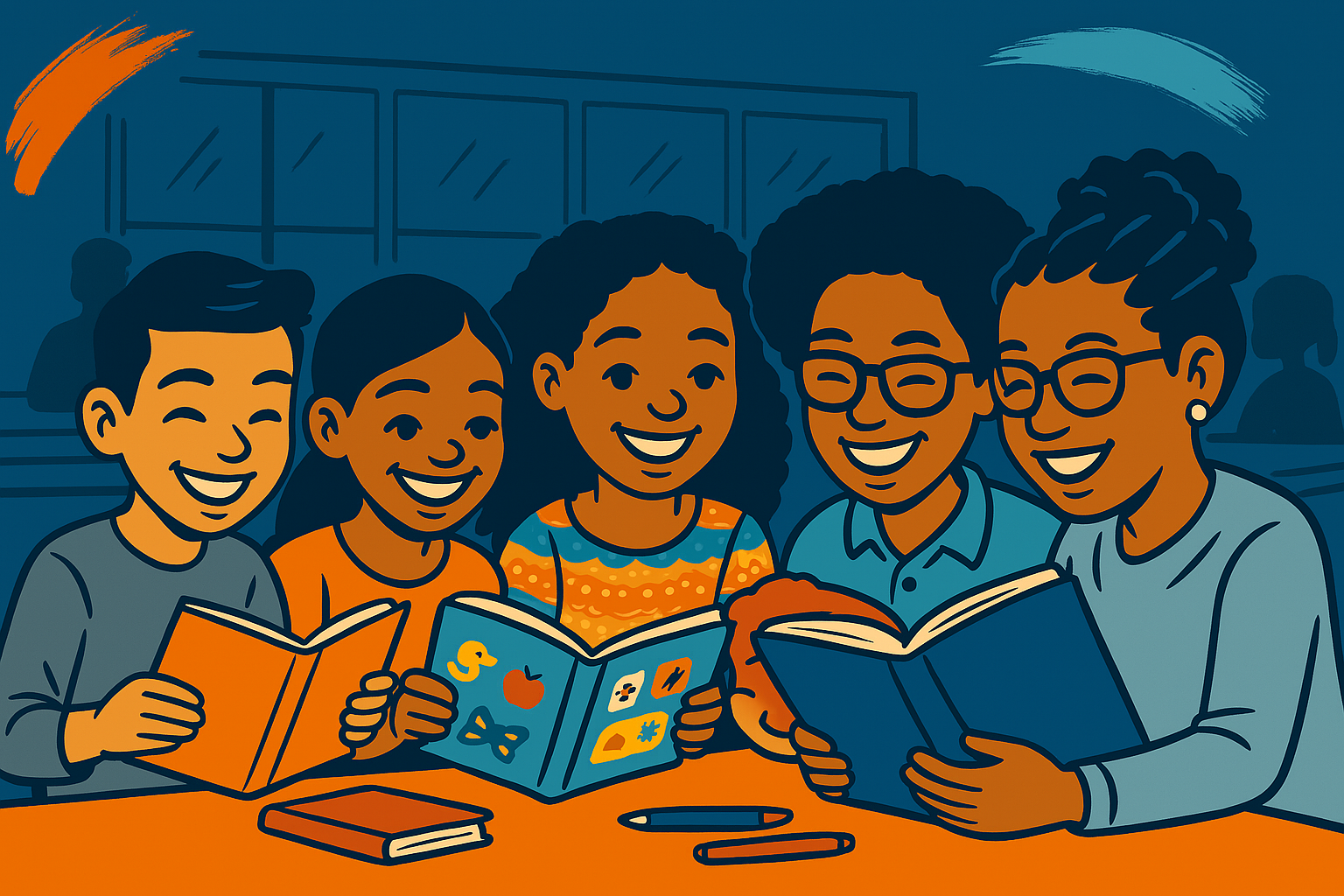
We often talk about the beauty of art—the murals, the colors, the imagination it unlocks—but what about the numbers? A growing body of research shows that investing in art education leads not just to more expressive students, but to better outcomes in the classroom, higher graduation rates, and even long-term financial gains.
Another compelling number comes from the National Endowment for the Arts:
“Students with high arts participation and low socioeconomic status have a 4 percent dropout rate—five times lower than their peers with similar backgrounds but limited access to the arts.”²
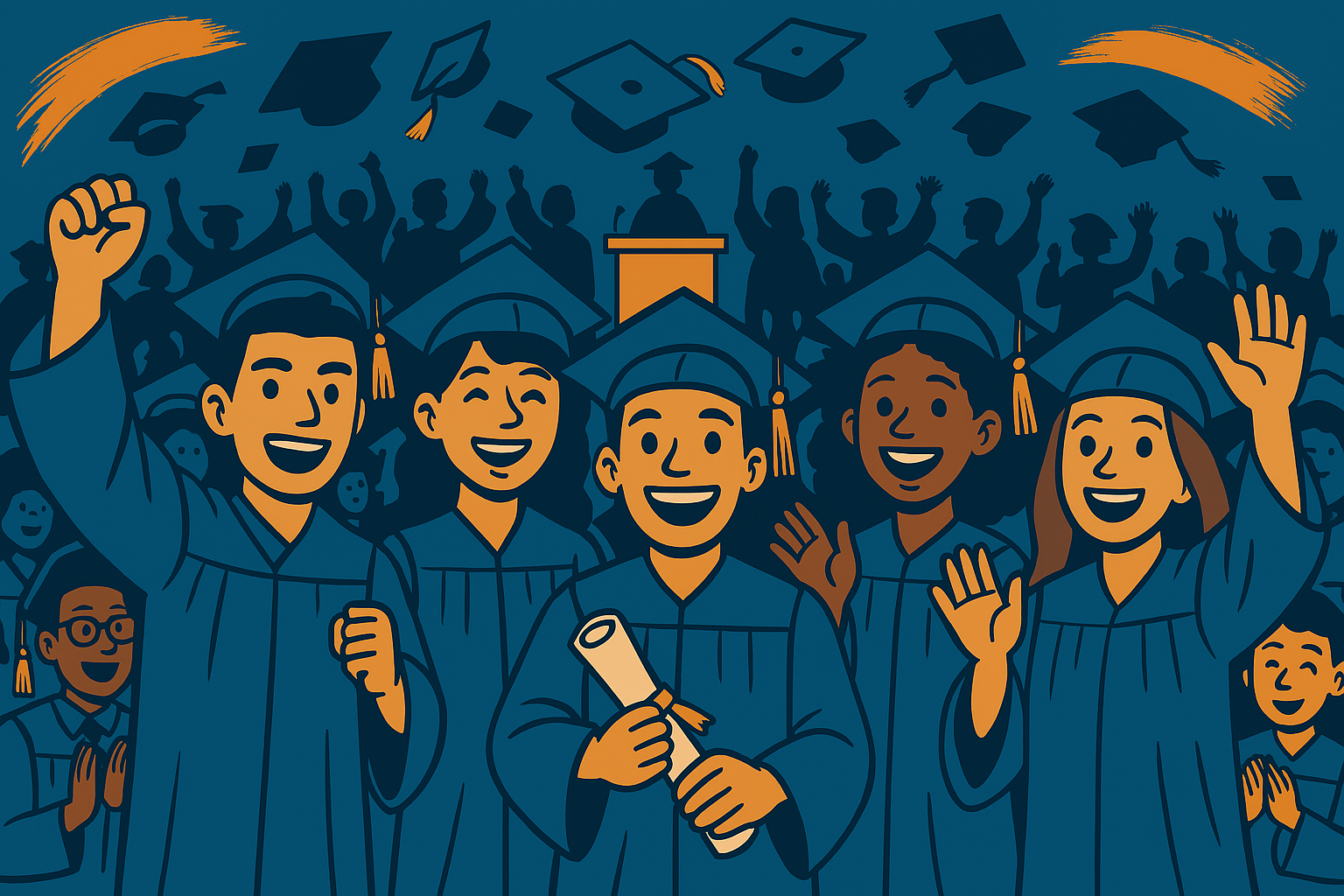
That’s more than inspiring—it’s transformational. And the ripple effects extend far beyond high school. According to the U.S. Social Security Administration, finishing high school increases lifetime earnings by an average of 33%—from $1.2 million to $1.6 million³. When you think about it that way, art education isn’t just a creative outlet—it’s a pathway to economic security and social mobility.
According to a joint study by the Brookings Institution and Rice University, schools that received a substantial investment in arts programming experienced measurable improvements in student behavior and academic performance. Students in these schools saw a 3.6 percentage point drop in disciplinary infractions, a 13% improvement in standardized writing scores, and an 8% gain in measured compassion toward others¹. These aren’t just feel-good anecdotes—they’re proof that art works.
Unfortunately, systemic challenges have made access to the arts increasingly inequitable. A study by the RAND Corporation emphasized the importance of partnerships between schools and arts organizations, warning that unless goals are aligned, the potential of arts education to become a core subject “will not be realized.”⁴ Since the introduction of No Child Left Behind in 2001, schools have often sacrificed arts instruction to focus on test-based subjects—leading to a 71% decrease in class time for subjects like history, visual art, music, and languages.⁴
That’s where First Pass steps in. We exist to help close this gap by providing essential supplies, visual identity support, and lasting partnerships to Title I schools. We believe every student—regardless of zip code—deserves access to the kind of education that balances creativity with opportunity.
And the best part? You can help. Sharing this post, volunteering your skills, or donating supplies makes an immediate impact on classrooms in need. None of your contributions go toward salaries—100% supports students and their creative spaces.
As Winston Churchill reminded us:
“We make a living by what we get, but we make a life by what we give.”
References
– Brookings Institution & Rice University. New Evidence of the Benefits of Arts Education.
– National Endowment for the Arts. The Arts and Achievement in At-Risk Youth.
– U.S. Social Security Administration. Education and Lifetime Earnings.
– Rabkin, N., & Hedberg, E. C. (2011). Arts Education in America: What the Declines Mean for Arts Participation. Journal of Arts Education, 47(1), 10–15.